
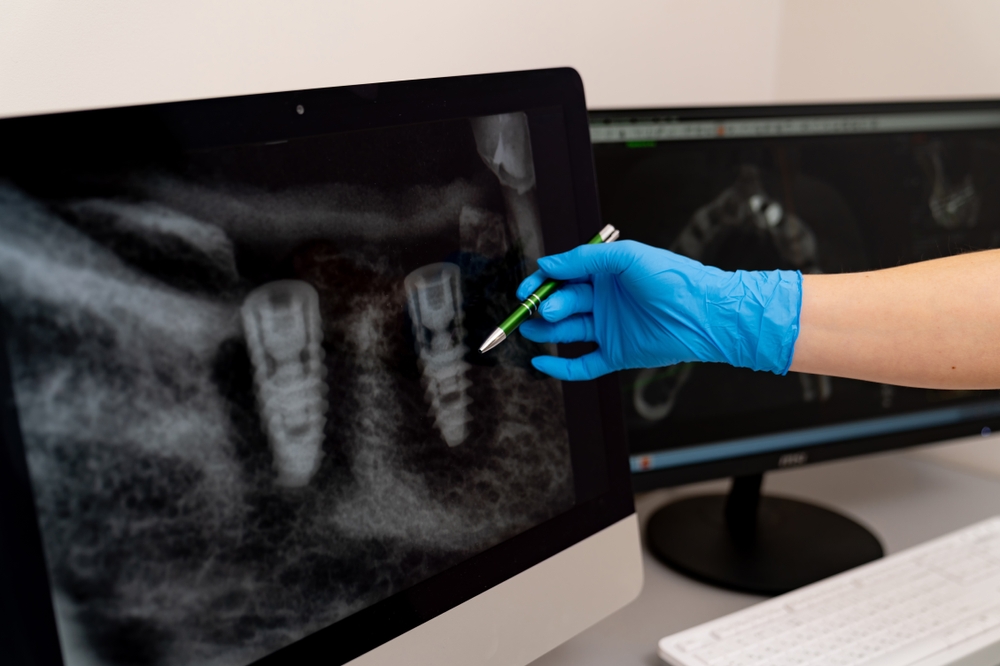
Missing teeth affect more than a smile. They change how you eat, how you speak, and how confident you feel in everyday conversations. Dental implants are widely considered the gold standard for replacing missing teeth because they restore both function and appearance in a way no other option can match. Here’s a complete guide to how dental implants work, who they’re for, and what to expect from the process at iSmile, serving Dallas, Stroudsburg, North Pocono, North Scranton, Eynon, West Scranton, Mt. Pocono, Throop, and Lake Winola, PA.
What Is a Dental Implant?
A dental implant is a permanent tooth replacement built from three parts working together: a titanium implant post, an abutment connector, and a final restoration such as a crown, bridge, or full-arch prosthesis. The post is surgically placed into the jawbone, where it fuses with the bone over time to create a stable, lasting foundation, functioning much like the root of a natural tooth.
How Do Dental Implants Work?
Unlike a bridge or denture, which rests on or is supported by surrounding teeth or gum tissue, an implant is anchored directly in the jawbone. Once the post is placed, a biological process called osseointegration allows the bone to grow around and fuse with the titanium surface. After healing, an abutment connects the post to the visible restoration, restoring near-natural chewing strength and stability.
What Are the Benefits of Dental Implants?
Dental implants offer advantages that go well beyond appearance. They preserve bone structure and facial shape by stimulating the jawbone the way a natural tooth root would, improve bite strength and stability, and prevent shifting or loosening of nearby teeth. Because implants don’t rely on adjacent teeth for support, they also help protect the rest of your natural smile. Most patients find implants easy to care for, since they don’t require special cleansers or adhesives, just regular brushing and flossing like natural teeth.
What Types of Dental Implants Are Available?
Dental implants are designed to replace any number of missing teeth, from a single gap to a full arch.
Single implants replace one missing tooth without altering the surrounding healthy teeth.
Dental bridges replace multiple missing teeth in a row, supported by implant posts rather than natural teeth.
Implant-supported dentures replace an entire arch of missing teeth while stabilizing the denture so it no longer slips or requires adhesive.
Full-arch dental implants replace all missing teeth in an arch using as few as four strategically placed implants, offering a fixed, permanent alternative to a removable denture.
A full breakdown of these solutions is available on iSmile’s implant options page.
Am I a Candidate for Dental Implants?
Good candidates for dental implants generally have healthy gums and enough bone density to support the implant post. That said, gum disease or bone loss doesn’t automatically rule someone out. Implant specialists can often address these issues through supportive procedures, such as bone grafting, to build a stable foundation before placement. The only reliable way to know for sure is a consultation that includes a full oral evaluation and digital imaging. iSmile offers a complimentary implant consultation to help determine candidacy and outline a personalized treatment plan.
What Happens During the Dental Implant Procedure?
The process typically unfolds in several stages:
Consultation: Detailed digital diagnostics, including 3D CBCT scans, along with a thorough assessment of bone structure, oral health, and medical history.
Treatment planning: A custom smile design using CAD/CAM technology, along with planning for any supportive procedures like bone grafting and a discussion of sedation options.
Implant placement: Precision placement of the implant post or posts, with lightweight temporary teeth provided the same day in appropriate cases.
Healing and integration: The implant fuses with the jawbone over the following months, with follow-up visits to monitor progress.
Final restoration: Once healing is complete, a custom-designed crown, bridge, or prosthesis is securely attached.
Ongoing care: Regular checkups and home care guidance to support the implant’s long-term health.
A more detailed walkthrough is available on iSmile’s implant procedure page.
Does Getting Dental Implants Hurt?
Thanks to modern surgical techniques and effective sedation options, most patients describe the procedure as far more comfortable than expected. Mild discomfort for the first few days after surgery is common, but the bulk of the healing process is painless. Once fully healed, implants provide lasting comfort without the rubbing or irritation that often comes with traditional dentures.
How Long Do Dental Implants Last?
With proper care, dental implants are built to last for decades, and research shows implants have roughly a 96% success rate after ten years, making them one of the most reliable investments in long-term oral health. Some patients with additional needs, such as gum disease, may require extra planning through supportive oral surgery to help ensure a stable, lasting result.
How Do I Care for Dental Implants?
Caring for dental implants is straightforward: brush and floss just as you would natural teeth. For full-arch dental implants, gently flushing beneath the prosthesis with a water flosser helps remove debris and maintain gum health around the implant. Regular checkups allow the dental team to monitor the implant and catch any concerns early. More detailed guidance is available on iSmile’s implant maintenance page.
Frequently Asked Questions
Are dental implants only for people missing all their teeth? No. While full-arch implants and implant-supported dentures work well for patients missing all their teeth, implants are just as effective for replacing a single tooth or several teeth in a row.
Do dental implants look natural? Yes. Because implants replicate the structure of a natural tooth, from root to crown, they’re designed to blend seamlessly with the surrounding smile, matching facial features, smile shape, and skin tone.
Can I get dental implants if I have gum disease? In many cases, yes. Implant specialists can treat underlying gum disease or bone loss and create a stable foundation before placing the implant.
Is dental implant surgery safe? Dental implants have a strong safety record and high long-term success rate. A thorough review of medical history before treatment helps identify and manage any potential risks.
Are dental implants worth the cost compared to dentures? While implants typically cost more upfront, they don’t require the frequent adjustments, relines, or replacements traditional dentures need every five to seven years, often making them more cost-effective over time.
Ready to Learn More?
Every implant journey starts with understanding your options. iSmile offers a complimentary consultation, including a comprehensive oral evaluation and personalized treatment plan, for patients throughout Dallas, Stroudsburg, North Pocono, North Scranton, Eynon, West Scranton, Mt. Pocono, Throop, and Lake Winola, PA. Schedule your consultation today or call (570) 876-4488 to find out if dental implants are right for you.