
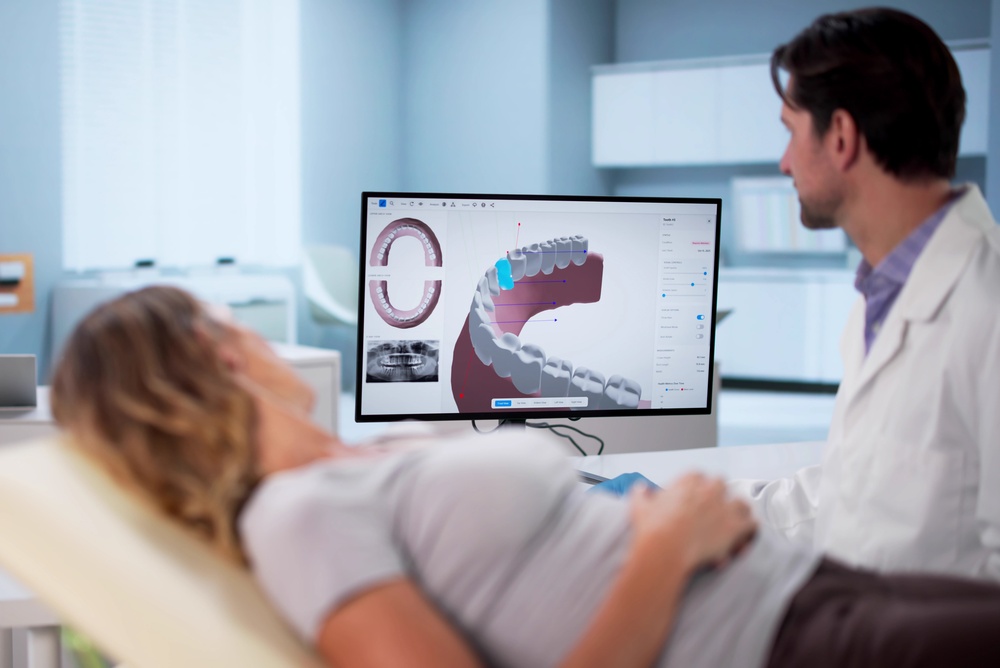
The most common warning signs of a dental implant problem are pain, swelling, bleeding or red gums around the implant, gum recession, a bad taste or pus, and an implant or crown that feels loose. Many of these point to peri-implantitis, an infection that can damage the bone around the implant. Caught early, most implant problems can be treated, so call your implant team as soon as you notice a change.
Dental implants are one of the most reliable ways to replace missing teeth, and most last for decades. But like natural teeth, they need care, and problems can develop. Knowing what to watch for helps you act quickly and protect your investment.
Is Some Discomfort Normal After Getting an Implant?
Yes. Mild soreness, swelling, and tenderness are normal for the first few days after implant surgery and should steadily improve. Pain that gets worse instead of better, or new pain that appears weeks, months, or years later, is not normal and should be checked.
What Are the Warning Signs of a Dental Implant Problem?
Pain or Discomfort
A healed implant shouldn’t hurt. Ongoing pain, throbbing, or pain when you bite down can signal infection, bone loss, or a problem with the crown or abutment.
Swelling or Red, Bleeding Gums
Gums around an implant should look pink and healthy. Redness, puffiness, or bleeding when you brush are early signs of inflammation.
Gum Recession
If the gum around your implant starts to pull back, you may see more of the crown or even the metal underneath. Recession can point to inflammation or bone loss.
A Bad Taste, Bad Breath, or Pus
A persistent bad taste or odor near the implant, or pus around the gumline, often means infection.
A Loose Implant or Crown
Any movement should be checked right away. A loose crown or abutment can often be tightened or repaired. A loose implant post may mean it has lost its connection with the bone.
Changes in Your Bite
If your teeth suddenly fit together differently, or your implant feels high or uneven when you chew, the restoration may need adjusting.
Damaged Restoration
Chips, cracks, or a crown that has come off should be repaired promptly to protect the implant.
What Is Peri-Implantitis?
Peri-implantitis is an infection of the gum and bone around a dental implant. It is similar to gum disease around natural teeth. It usually starts when plaque and bacteria build up around the implant and cause inflammation in the gums, called peri-implant mucositis. At this early stage, it can often be reversed with professional cleaning and better home care. If it isn’t treated, the infection can spread to the bone, causing bone loss that may loosen the implant over time.
What Causes Dental Implant Problems?
- Plaque buildup from skipped brushing, flossing, or professional cleanings
- Smoking or tobacco use, which slows healing and increases infection risk
- Teeth grinding or clenching, which puts extra force on implants
- Uncontrolled health conditions, such as diabetes
- A history of gum disease
- Damage to the crown or parts from biting very hard objects
What Should I Do If I Notice a Warning Sign?
- Call your implant team promptly. Don’t wait for the problem to go away on its own.
- Keep the area clean. Continue gentle brushing and rinsing as directed.
- Avoid chewing on that side if your implant or crown feels loose.
- Don’t try to fix it yourself. Never try to tighten, remove, or glue anything back in place.
At iSmile, our team will examine the area, take digital images to check the bone, and recommend the right treatment. Depending on the problem, treatment may include a deep cleaning around the implant, antibiotics, repairing or replacing the crown, adjusting your bite, or bone grafting to rebuild lost support.
How Can I Prevent Dental Implant Problems?
- Brush twice a day and clean around your implant daily with floss or a water flosser
- Keep up with regular checkups and professional cleanings
- Avoid smoking and tobacco products
- Wear a night guard if you grind or clench your teeth
- Avoid chewing ice, hard candy, and very sticky foods
- Report any changes to your provider early
Learn more on our implant maintenance page.
How Does the iSmile Implant Warranty Help?
iSmile backs its work with a 10-year warranty on the titanium implant post and a 10-year warranty on the prosthesis, covering issues like damage, failure, chipping, cracking, or detachment during regular use. Coverage depends on keeping your scheduled checkups and cleanings, following home care instructions, reporting problems promptly, and wearing a night guard if recommended. See full details on our implant warranty page.
Can a Failing Implant Be Saved?
Often, yes, especially when problems are caught early. Early inflammation can usually be reversed. If bone loss has occurred, treatment may help stabilize the implant. In some cases, an implant may need to be removed, the area allowed to heal, and a new implant placed, sometimes after bone grafting and other oral surgery.
Frequently Asked Questions
How common are dental implant problems? Most dental implants succeed and last for many years. Problems are uncommon, and good home care and regular checkups make them even less likely.
Can an implant fail years later? Yes. Late problems are most often caused by peri-implantitis, grinding, or damage to the restoration, which is why ongoing care matters.
Can I get an implant replaced if it fails? In many cases, yes. Your team will evaluate the bone and recommend the best path forward.
Concerned About Your Dental Implant?
Whether your implant was placed at iSmile or somewhere else, our team can help. We serve patients across Northeast PA, with offices in Dallas, Stroudsburg, North Pocono, North Scranton, Eynon, West Scranton, Mt. Pocono, Throop, and Lake Winola. Call (570) 876-4488 or contact us to schedule an evaluation.