
A bone graft rebuilds jawbone that has been lost after a missing tooth, gum disease, or injury, so a dental implant has a strong, stable foundation. Many patients who were told they don’t have enough bone for implants can still get them after grafting. Most grafts heal within a few months, and the procedure is usually very comfortable with local anesthesia or IV sedation.
If you’ve been told you need a bone graft before getting dental implants, you may be wondering what that means and whether it’s a big deal. The good news is that bone grafting is a common, well-established procedure. At iSmile Dental Implants, it’s often the step that turns “you’re not a candidate” into a confident, permanent smile.
Why Would I Need a Bone Graft for a Dental Implant?
A dental implant works like a natural tooth root, so it needs healthy jawbone to anchor in and fuse with. When a tooth is lost, the bone that once held it no longer gets stimulation from chewing, and it slowly begins to shrink. The longer a tooth has been missing, the more bone may be lost.
You may need a bone graft if:
- A tooth has been missing for months or years
- You’ve worn dentures for a long time
- Gum disease has damaged the bone around your teeth
- An injury or infection affected your jaw
- The bone in your upper back jaw is too thin because of the sinus position
What Is a Bone Graft?
A bone graft places bone-building material in areas where your jaw needs more height or width. Over time, your body grows new bone into the graft, creating a solid base for an implant. Graft material can come from different sources, and your implant team will recommend the type that fits your needs.
What Types of Bone Grafts Are There?
Socket Preservation
When a tooth is extracted, graft material can be placed in the empty socket right away. This helps prevent the bone from shrinking and keeps the area ready for a future implant.
Ridge Augmentation
If your jawbone has lost width or height after tooth loss, ridge augmentation rebuilds it. This restores the natural shape of your jaw and creates a strong foundation for implants. It may also help support your facial structure.
Sinus Lift
The upper back jaw sits right below the sinuses, and bone there can be thin. A sinus lift gently raises the sinus membrane and places graft material underneath, adding the height needed for implants. This procedure helps many patients who were once told implants weren’t an option.
Learn more about these procedures on our oral surgery for implants page.
How Do I Know If I Need a Bone Graft?
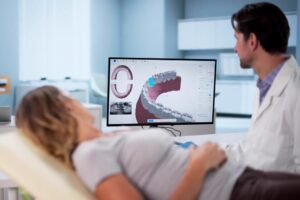
The only way to know for sure is an evaluation. During your free implant consultation, our team uses advanced digital imaging to measure the height, width, and density of your jawbone. This shows exactly where implants can be placed and whether grafting is needed first. Find out more about who is a candidate for dental implants.
What Happens During a Bone Graft Procedure?
- Planning: We review your digital images and plan the graft precisely.
- Comfort: The area is numbed, and IV sedation is available if you’d like to relax through your procedure.
- Placement: A small opening is made in the gum, the graft material is placed, and the area is closed so it can heal.
- Healing: Your body gradually replaces the graft with your own new bone.
In some cases, a graft can be placed at the same visit as a tooth extraction or even your implant. Your team will let you know what’s possible for your situation.
Does a Bone Graft Hurt?
Most patients are surprised by how comfortable the procedure is. You’ll be numb throughout, and sedation can help you feel calm and relaxed. Afterward, mild soreness and swelling are normal for a few days and are usually managed with over-the-counter or prescribed medication.
How Long Does It Take to Heal From a Bone Graft?
Healing time depends on the type and size of the graft:
- Socket preservation: often a few months before an implant is placed
- Ridge augmentation: typically several months for the new bone to mature
- Sinus lift: usually several months, depending on how much bone is added
You’ll feel back to normal within a few days, even though the bone continues to strengthen beneath the surface. We’ll monitor your progress and let you know when you’re ready for your implant.
How Can I Help My Bone Graft Heal?
- Follow all post-op instructions, including any prescribed rinses
- Stick to soft foods and avoid chewing on the graft site
- Don’t smoke or use tobacco, which slows healing
- Avoid straws and forceful rinsing in the first few days
- Keep all follow-up appointments
Call our office if you notice increasing pain, swelling that gets worse after a few days, fever, or graft material coming out of the site.
Is a Bone Graft Worth It?
For many patients, yes. A bone graft gives your implant the support it needs to last for decades. It can also help preserve your facial shape and prevent the sunken look that can come with long-term bone loss. Without enough bone, an implant may not be stable, so grafting is often an investment in long-term success.
Frequently Asked Questions
Can I get implants without a bone graft? Many patients can. If you have enough healthy bone, no graft is needed. Some full-arch techniques are also designed to work with existing bone.
Will my dental insurance cover a bone graft? Coverage varies by plan. Our team can help you review your benefits and explore implant financing.
Can I wear dentures while my graft heals? In many cases, yes. We’ll make sure you have a temporary option so you’re never without a smile.
Talk to Our Team About Bone Grafting
If you’ve been told you don’t have enough bone for implants, don’t give up. iSmile Dental Implants serves patients across Northeast PA, with offices in Dallas, Stroudsburg, North Pocono, North Scranton, Eynon, West Scranton, Mt. Pocono, Throop, and Lake Winola. Call (570) 876-4488 or schedule your free consultation today.